
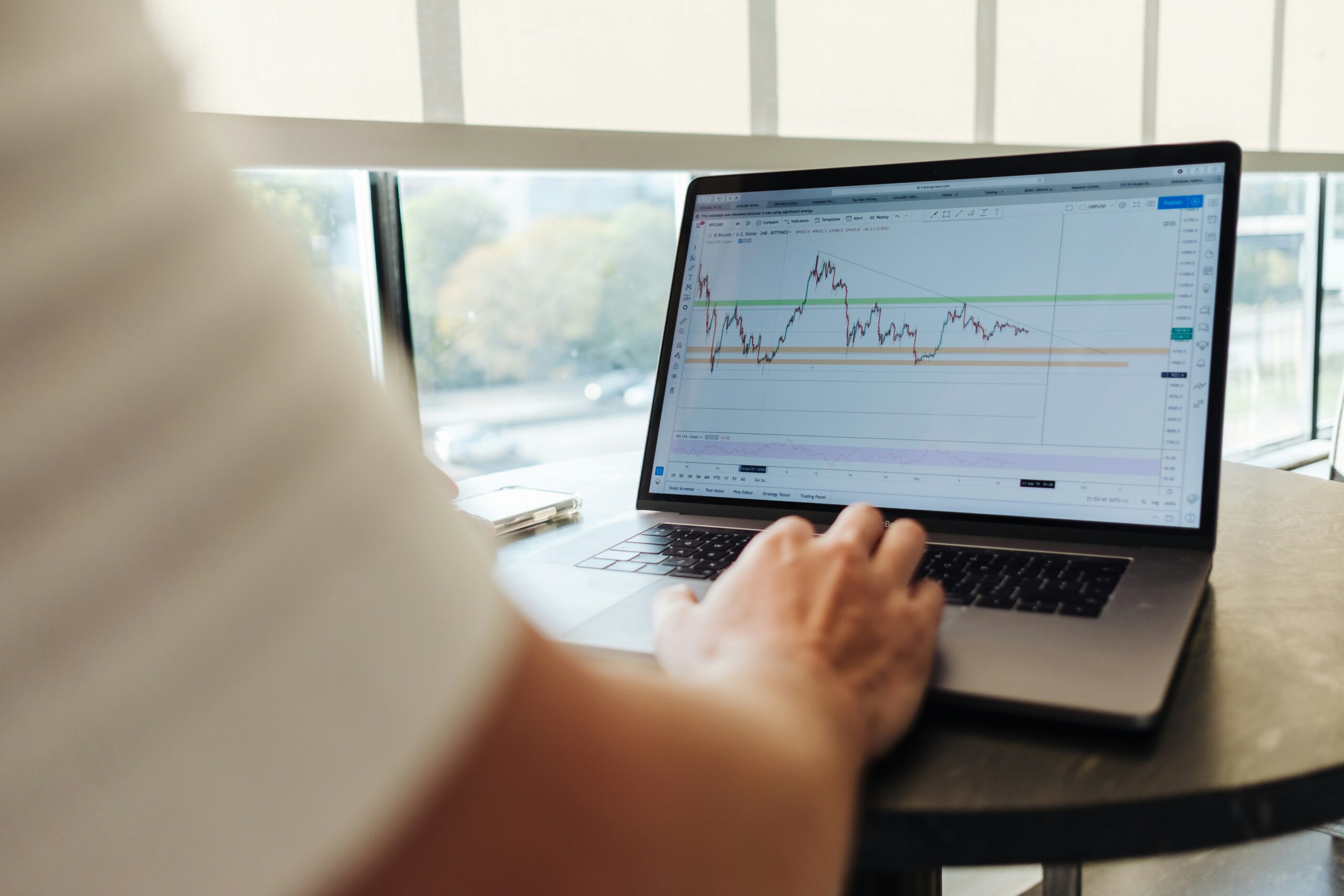
The narrative surrounding Artificial Intelligence in high-finance, particularly in the high-stakes arena of trading, has long been dominated by a single metric: speed. The story goes that the fastest algorithm, processing data in nanoseconds, will inevitably win. This is not entirely wrong, but it is a dangerously incomplete picture. As the adoption of AI and machine learning (ML) models accelerates across the MENA region’s burgeoning financial hubs – from the DIFC to the Saudi Exchange – we are collectively approaching a critical juncture. After the question of “How fast can it go?” has been raised for a long time, another question is now much more relevant: “How do we ensure it goes right?”
The real test of an AI-powered trading system is not its performance on a sunny day, but its resilience during a storm. The risks are not theoretical, but they are engineering realities. They manifest as “algorithmic bias,” though not always in the social sense the term implies. In trading, bias is often a data flaw – a model that has unknowingly “learned” the quirks of a specific, calm trading period or become overly attuned to one venue’s microstructure. When volatility spikes or liquidity suddenly thins, as markets periodically do, that model can collapse. Its predictions invert, and what was an asset becomes a direct liability, executing trades that lock in losses before a human eye can even register the anomaly on a screen.
Similarly, a model trained on pristine, orderly data can be fatally confused by the messy reality of live markets – bursts of out-of-order price feeds, a latency spike, or an exchange-triggered auction. Without explicit, pre-programmed guardrails, the AI, optimising for a goal that no longer matches reality, can aggressively compound the problem. It’s here that the myth of the purely autonomous, black-box AI must be dispelled. In responsible firms, the system operates automatically only within strict, pre-approved boundaries: hard risk limits, message rate caps, and predefined price bands. The human role shifts from making every small decision to being the systems architect and overseer, like setting the basic rules, approving every change, and always keeping the final authority – if something goes wrong, people are the ones with control over the shutdown.
Governance as the Non-Negotiable Basis
This brings us to the most important element of ethical AI in finance: governance. In this context, ethics is not a philosophical abstraction. It is the specific practice of market integrity and operational resilience. Governance involves creating a rigorous framework which ensures that technology serves the firm’s stability and the market’s health, not the other way around.
Effective governance is operational and auditable. It means having crystal-clear ownership for every strategy and model, paired with independent risk oversight. It demands a change-management process so meticulous that every data set, feature, model version, and configuration is logged, versioned, and linked – creating a complete audit trail. Releases should never be a “big bang.” They must follow gated stages: rigorous review, followed by shadow runs against live data, then a limited canary launch, before any full rollout. Each stage must have explicit rollback criteria. When (not if) a problem is found, the response must be swift and standardised: contain the issue, roll back, diagnose, fix, revalidate, and relaunch with new safeguards to prevent recurrence.
The industry’s dialogue on “Responsible AI” is moving in the right direction, emphasising accountability and auditability. However, for latency-sensitive trading, these principles must be translated into pragmatic, outcome-focused rules. Regulation should be proportional to the risk and speed of the activity. A practical baseline “controls pack” is more valuable than vague principles: mandatory pre-trade risk checks, dynamic limit controls, kill switches, safe-mode fallbacks, and comprehensive drift detection. The demand for “explainability” should be satisfied not by unhelpful narrative reports, but by demonstrable tests – proof of no data leakage, analysis of sensitivity to market microstructure shifts, and evidence of robust performance across thousands of hours of calibrated market replay.
The Indicators That Truly Matter
Consequently, monitoring system health requires looking far beyond profit and loss. While P&L is the ultimate outcome, it is a lagging indicator. True oversight watches the leading signals. We must track execution quality – fill rates, slippage, and adverse selection. We must monitor the system’s market interaction: its reject and error rates, how often it hits its predefined limits, and how many times it triggers its own safe-mode protocols. Infrastructure health, down to the 99.9th percentile of latency and clock synchronisation, is a financial metric. Crucially, we must log human intervention – the frequency of manual pauses, the severity and root cause of incidents, and the time to recovery. A system that requires constant babysitting is a failed system, no matter its paper returns.
For the MENA region, this is a moment of significant opportunity. As our financial markets grow and mature, we have the chance to integrate these advanced governance structures into our digital trading ecosystem. We can avoid the pitfalls experienced by others and set a global standard for sophisticated, secure, and sustainable electronic markets. The goal is to channel innovation responsibly. The most valuable algorithm is not the one that runs fastest in a straight line, but the one that knows precisely when and how to slow down, correct itself, and ensure it is still on the road when the unpredictable bend appears. In the pursuit of quantitative edge, the ultimate competitive advantage will be qualitative trust.