
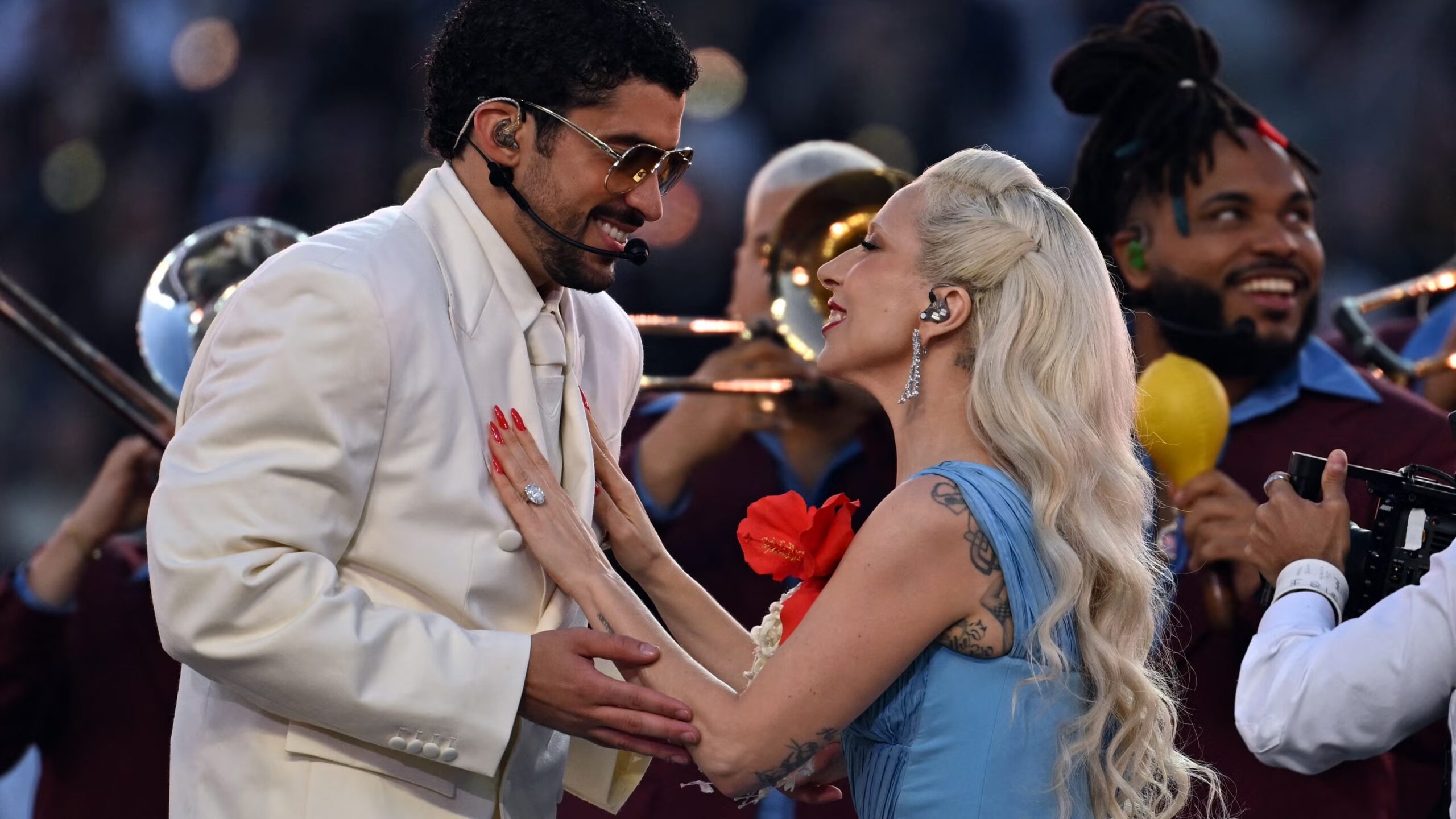
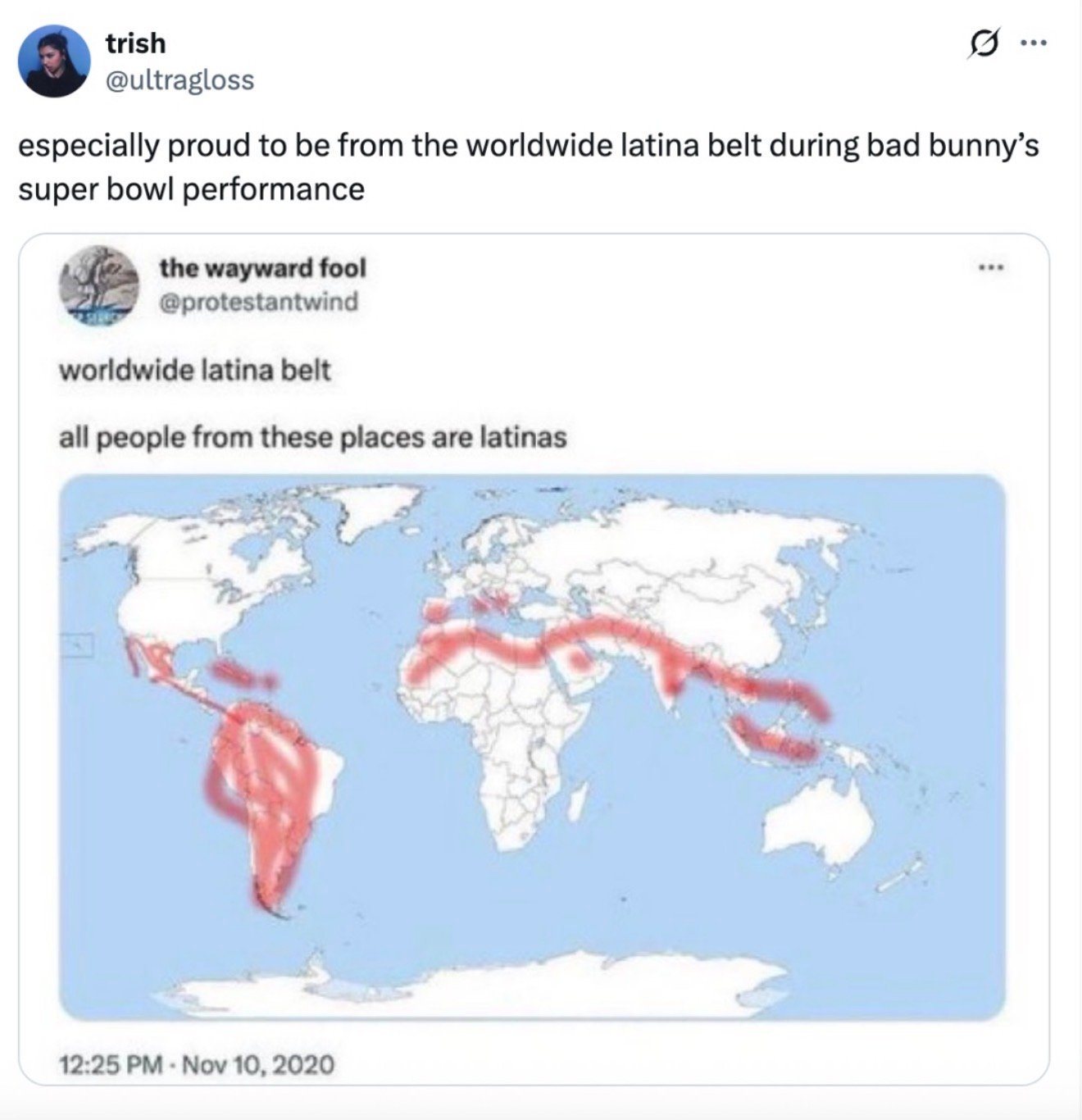
Few cultures are as intertwined and synonymous as those of Latin America and the Middle East. With a long history of migration between the two regions, families mixed, cultures blended, and we found unity in our collective spaces. This connection was created through migration and assimilation, but shared culture turned into a shared struggle in the wake of the United States’ ever-changing war on immigration. While the dominant culture in America enjoys the exoticized and orientalized versions of our cultures, versions they deem to be palatable, Latinos and Arabs are constantly fighting for the right to exist as they are. With similar histories of US intervention and colonialism in their lands, creating large diaspora communities in the United States, systemic discrimination is at an all-time high as ICE is deployed throughout the country; no one is safe anymore, not in their occupied homes, nor in the land of their oppressor.
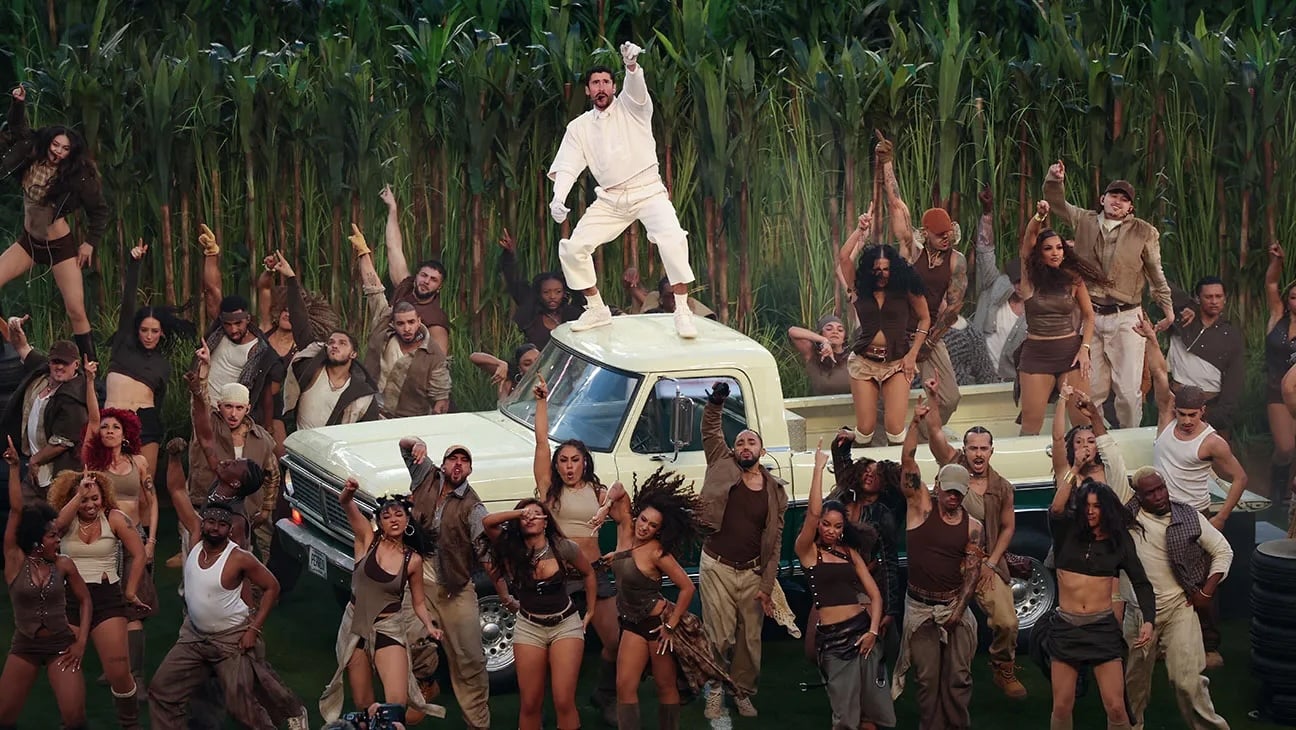
Bad Bunny’s Super Bowl Halftime show, as the first to be performed almost entirely in Spanish, was met with overwhelming criticism from the American far-right. The United States has no official language, with roughly one in seven people speaking Spanish natively, yet many still felt their quintessentially American event was under threat. Donald Trump made disparaging comments about the event, yet seemingly even he could not bring himself to watch the Turning Point USA Halftime show, a measure devised to counteract the ‘anti-American’ display at the official show. Colonial America struggles to see immigrants as anything other than something necessary to the economy, but an inconvenience for the privileged class to interact with. Any display of culture by the original inhabitants of their occupied territories poses a threat to an empire’s stability, to the comfort of its benefactors. Bad Bunny stating “God bless America” and proceeding to list nearly every country in North, Central, and South America did not read as the same display of unity to some as it did for the United States’ immigrant and Spanish-speaking population.
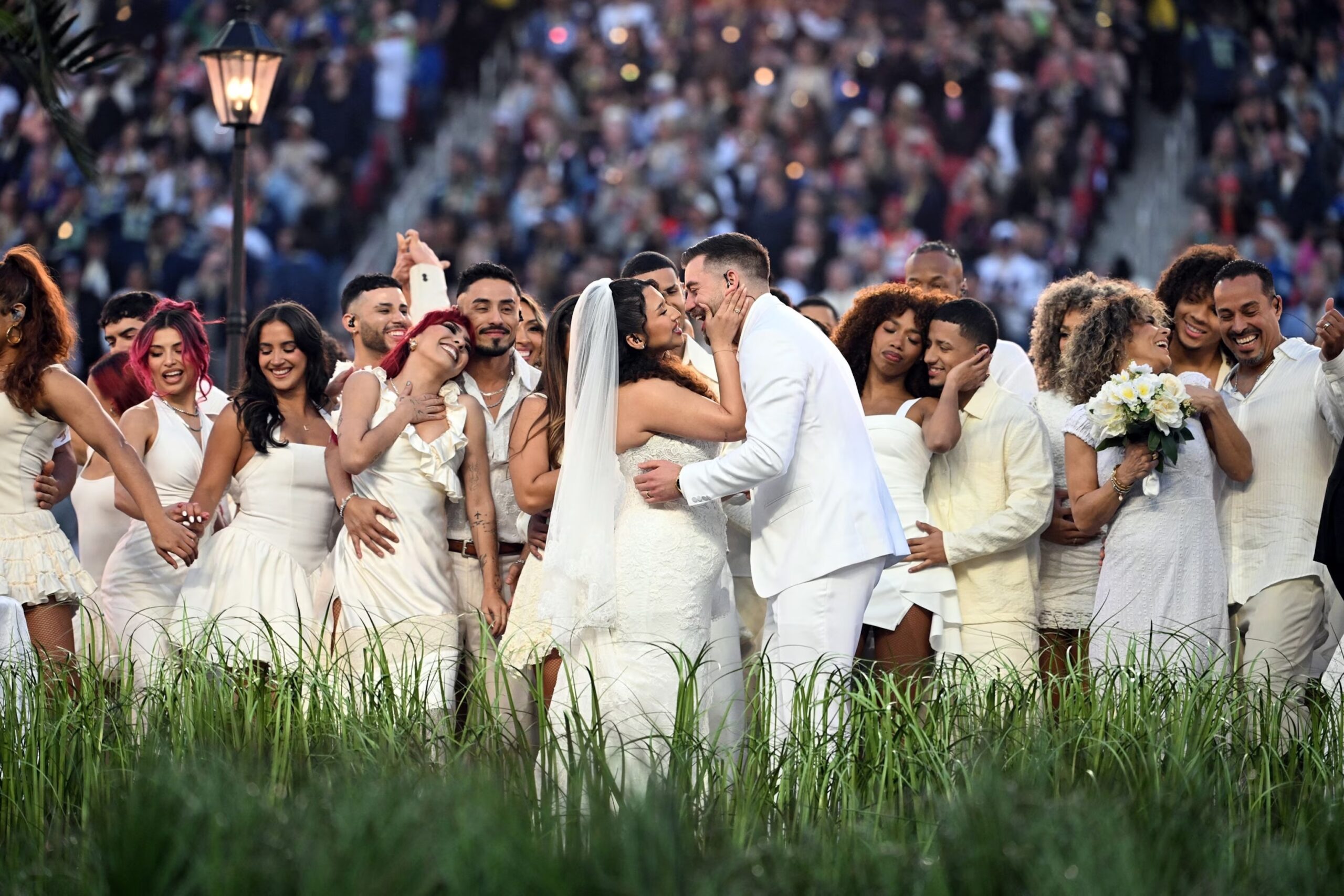
Throughout the ‘Benito Bowl’, elements of Latin American culture were incorporated organically, a representation of the everyday community and as a source of pride. From the food stalls to the bodegas to the big intergenerational family wedding, every beautiful moment brought back memories for diaspora Latin Americans and Arab Americans.
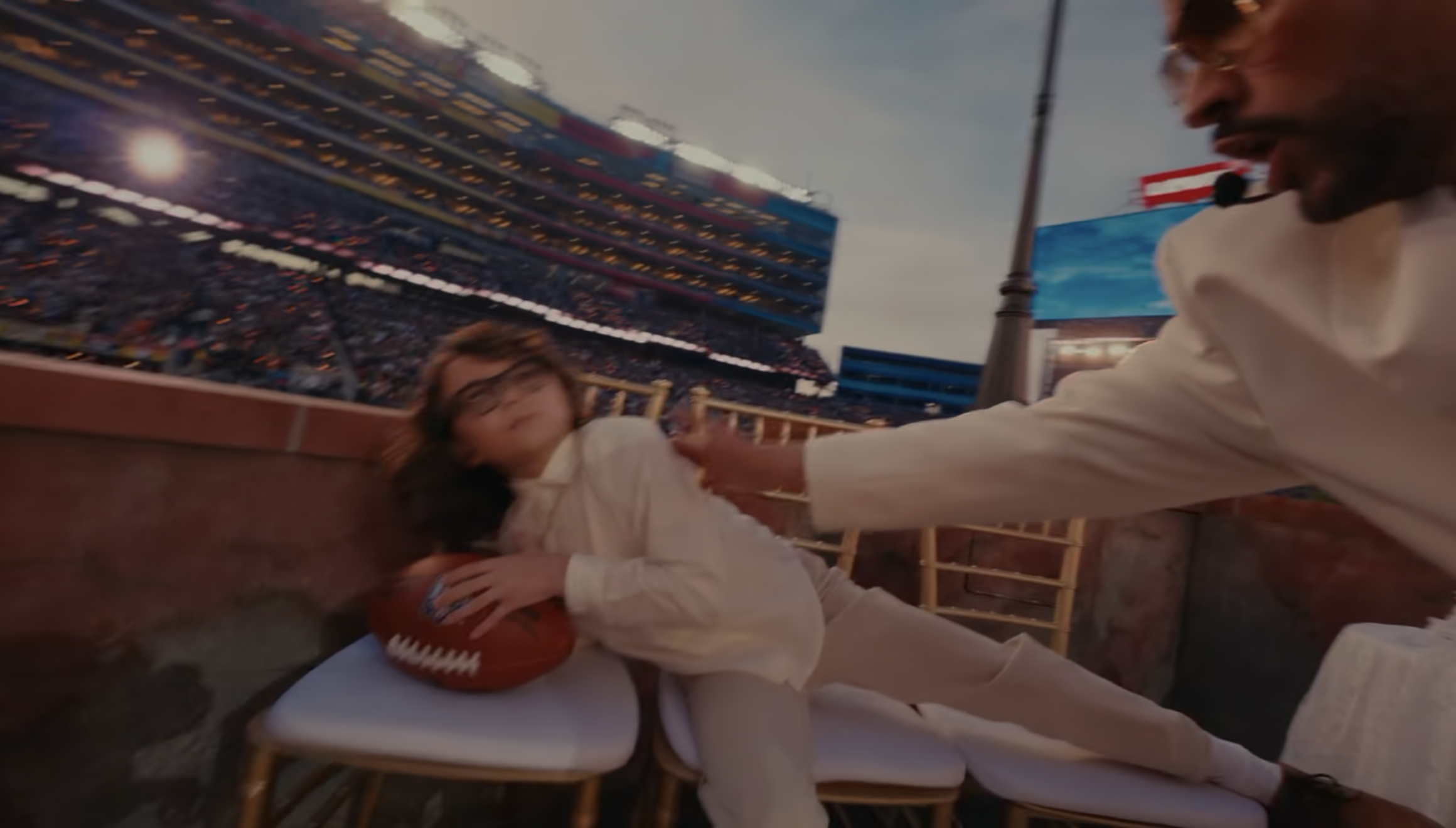
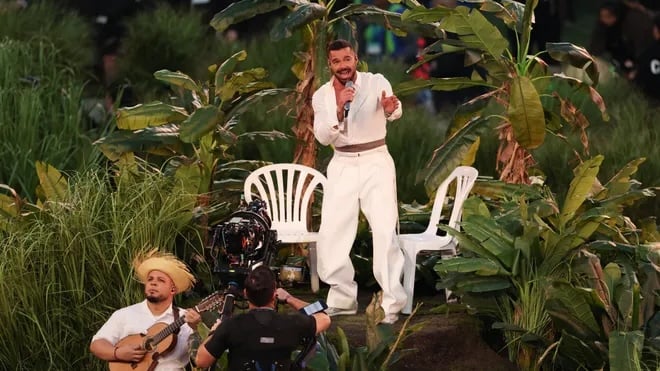
Every Arab kid can remember being the kid asleep in the corner of a wedding, or their uncles sitting outside on the archetypal plastic chairs seen on Bad Bunny’s most recent album cover and in Ricky Martin’s stage recreation.
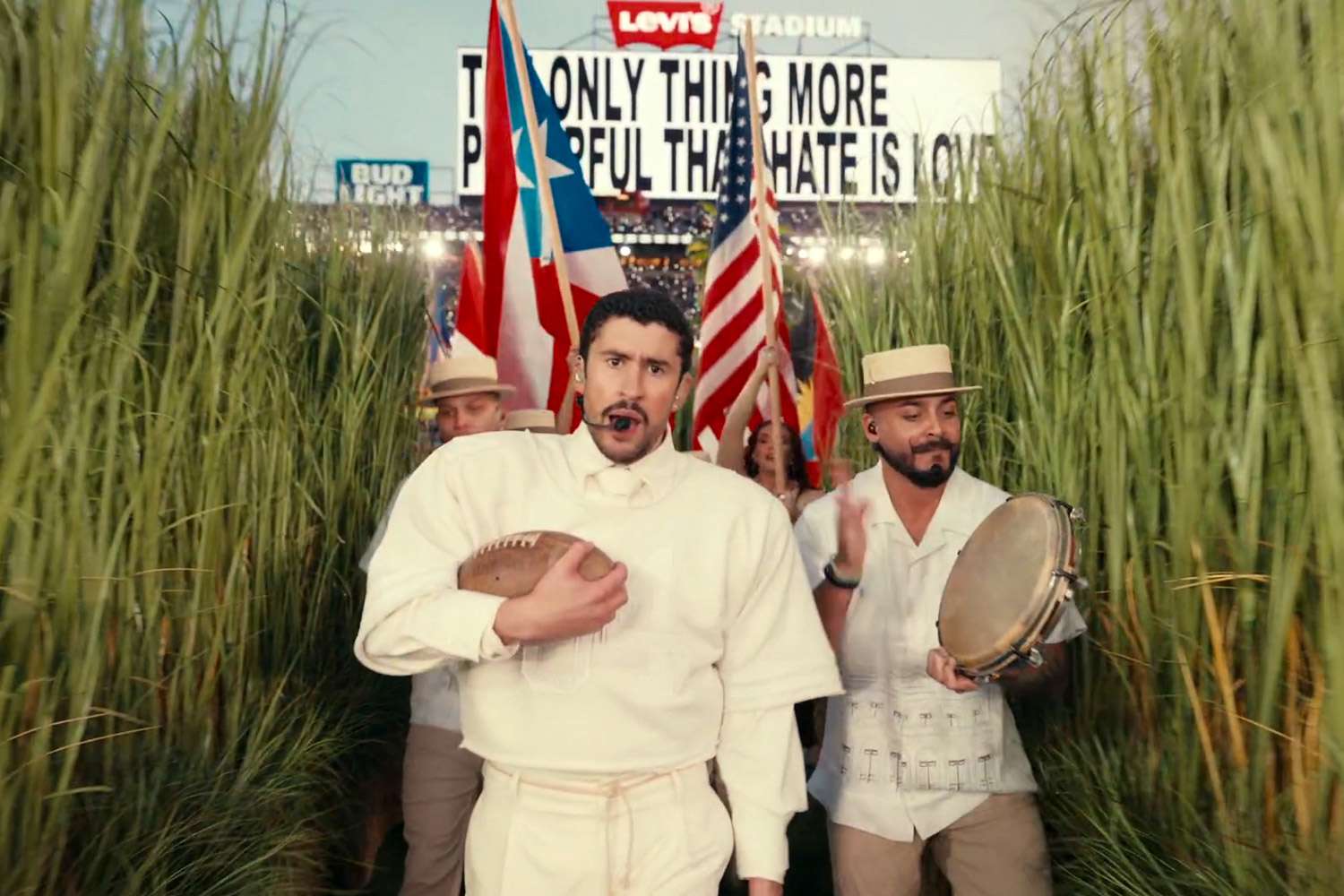
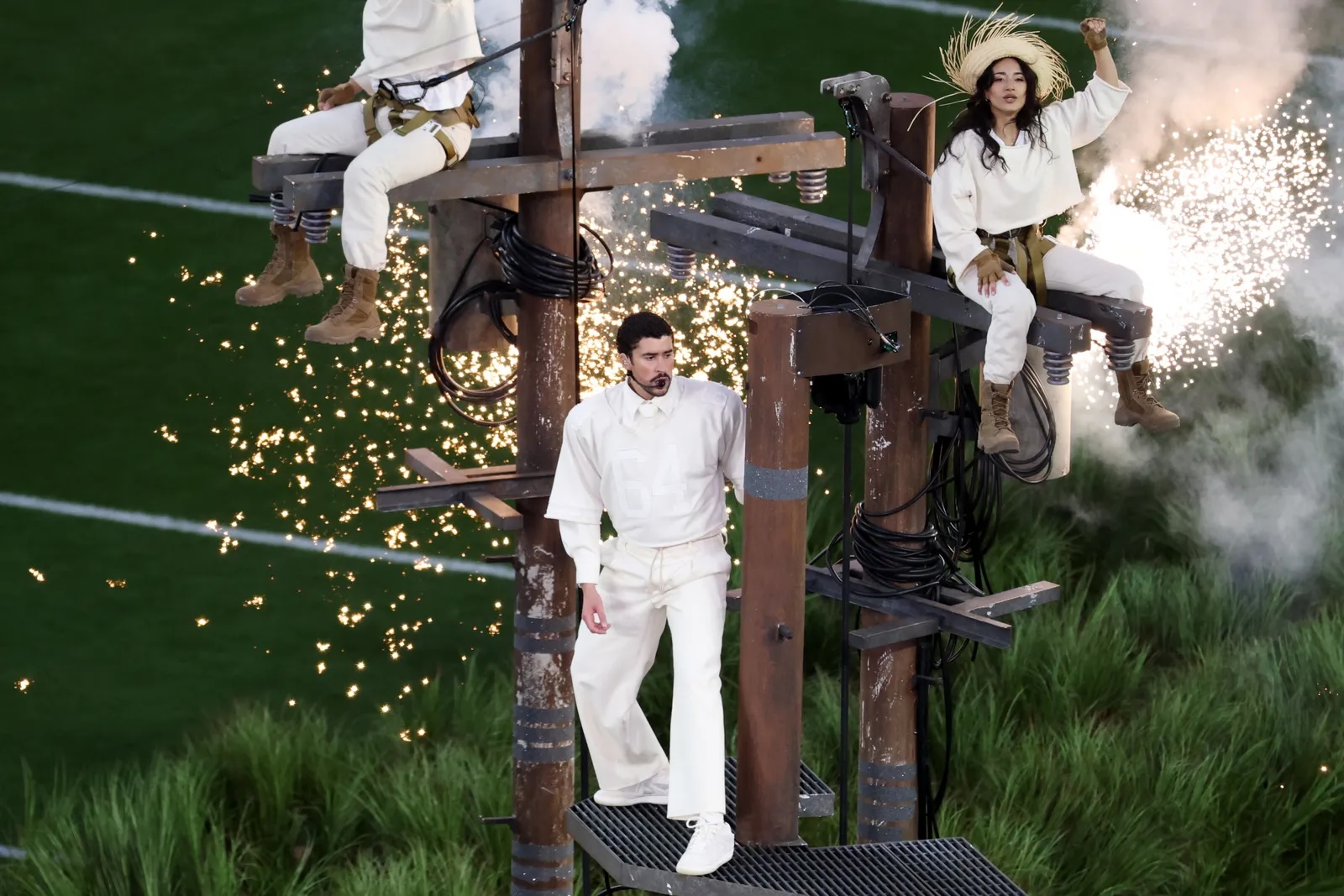
However, these nostalgic and sentimental memories and cultural representations cannot exist without the background of colonial presence and influence. The performance referenced American intervention in the set design; flying the original Puerto Rican flag, opening by referencing the history of slavery and resource exploitation in the country’s sugar cane fields, and the privatization of their power grids by the United States.
These choices, among many, acted as a powerful call for the decolonization of Puerto Rico and were furthered by the song choices. Bad Bunny’s album, DeBÍ TiRAR MáS FOTOS, found an audience amongst Arab listeners who connected with the album’s concept of a stolen and occupied motherland. At the album’s release, many Arabs took to social media to share videos of their home countries as love letters to the land they missed dearly, most famously to “DtMF” and “LO QUE LE PASÓ A HAWAII”, which were among the most anticipated songs of the night.
The final message of the show, “the only thing more powerful than hate is love”, is a call for dignity, self-determination, and sovereignty, from Puerto Rico to Palestine.