
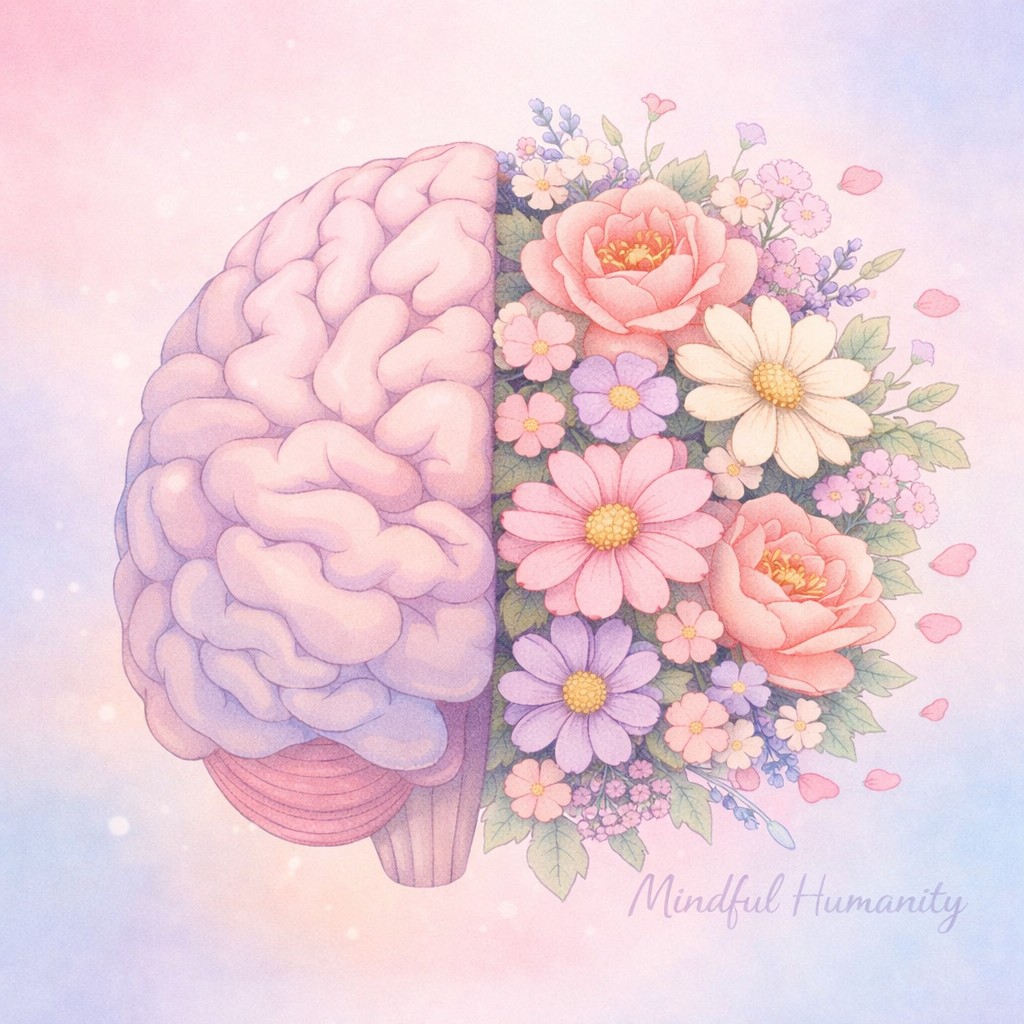
When Mental Health Goes Undiagnosed: A Message from Mindful Humanity
There are moments in life when you look back and realize the signs were there long before you understood what they meant. The exhaustion. The anger. The confusion. The choices you made were just trying to get through the day. The paths you walked because you didn’t know there was another way.
That’s what undiagnosed mental health struggles do. They don’t always show up as a crisis. They show up as patterns. As survival. As silence.
And too many people don’t realize what they’re dealing with until the damage has already begun.
I’m speaking on this because I’ve seen what happens when people don’t know what they’re fighting. I’ve lived it. I’ve watched others live it. And I know how easy it is to mistake symptoms for personality, trauma for toughness, or pain for “just life.”
The Quiet Ways Mental Health Shows Up
Most people imagine mental health struggles as dramatic or obvious. But the truth is, they often start quietly:
- Losing interest in things you used to enjoy
- Feeling overwhelmed by simple tasks
- Snapping at people you care about
- Numbing yourself with work, substances, or distractions
- Feeling disconnected from your own life
When you don’t have a diagnosis, you don’t have a framework. You don’t have language. You don’t have a map. So you blame yourself. You push harder. You pretend you’re fine.
But untreated mental health issues don’t disappear. They grow in the dark.
The Hard Paths People Walk When They Don’t Know What’s Wrong
When someone doesn’t understand their own internal struggle, they often reach for whatever helps them feel steady, even temporarily. These aren’t “bad decisions.” They’re coping mechanisms.
People end up:
- Overworking to outrun anxiety
- Using substances to quiet the noise
- Staying in harmful environments because they don’t feel worthy of better
- Isolating because they don’t want to burden anyone
- Acting out because they don’t know how to express what hurts
These paths aren’t chosen out of recklessness. They’re chosen out of survival.
And too often, people don’t realize they were living with depression, anxiety, trauma, ADHD, or another condition until something breaks — relationships, stability, health, or hope.
Stigma Keeps People From Seeing the Truth
One of the biggest reasons people go undiagnosed is stigma. The fear of being judged. The fear of being misunderstood. The fear of being labeled.
Stigma teaches people to hide their symptoms rather than address them. It convinces them that asking for help is a weakness. It pushes them deeper into silence.
But silence is where suffering grows.
A Diagnosis Isn’t a Label. It’s a Light.
Getting diagnosed doesn’t mean something is wrong with you. It means you finally have clarity. It means you can understand your patterns, triggers, emotions, and needs.
A diagnosis can be the moment everything starts to make sense.
It can be the moment you stop blaming yourself.
The moment you stop hiding.
The moment you start healing.
It’s Never Too Late to Understand Yourself
No matter how far someone has walked down a hard path, there is always a way forward. There is always a chance to understand yourself more deeply and treat yourself more gently.
Mental health isn’t about weakness.
It’s about being human.
It’s about learning yourself.
It’s about giving yourself the care you deserved long before you knew you needed it.
A Final Word
If you’re reading this and something in you feels familiar — the exhaustion, the confusion, the fear of being misunderstood — I want you to know this:
You are not alone.
You are not broken.
You are not too late.
You deserve to be seen before you break.
You deserve support before you reach a crisis.
You deserve understanding, compassion, and a chance to heal.
Your mental health matters.
Your story matters.
And your life is worth fighting for.
If you’re reading this and you or someone close to you is struggling, I want you to take this seriously. You don’t have to carry it alone, and you don’t have to wait until things get worse. Real help is available right now. You can reach the 988 Suicide & Crisis Lifeline any time, day or night, by calling 988. You’ll be connected with someone who listens without judgment and understands what you’re going through. Reaching out is not a weakness. It’s the first step toward staying here, staying safe, and staying alive.