
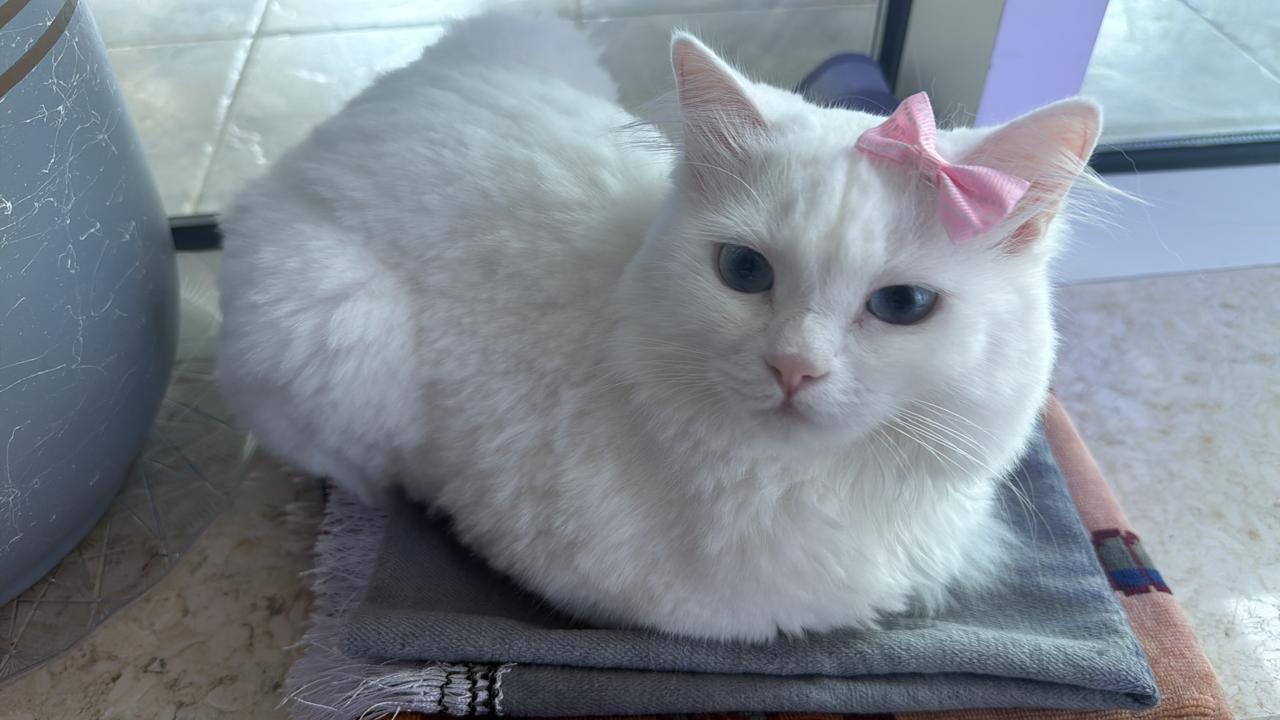
What My Cat BonBoneh Taught Me About Overfeeding—and Myself
There’s a quiet test that plays out in my home several times a day.
It starts with something as simple as me walking toward the fridge. Not always out of hunger—more often out of habit. And before I even reach the handle, she’s already there.
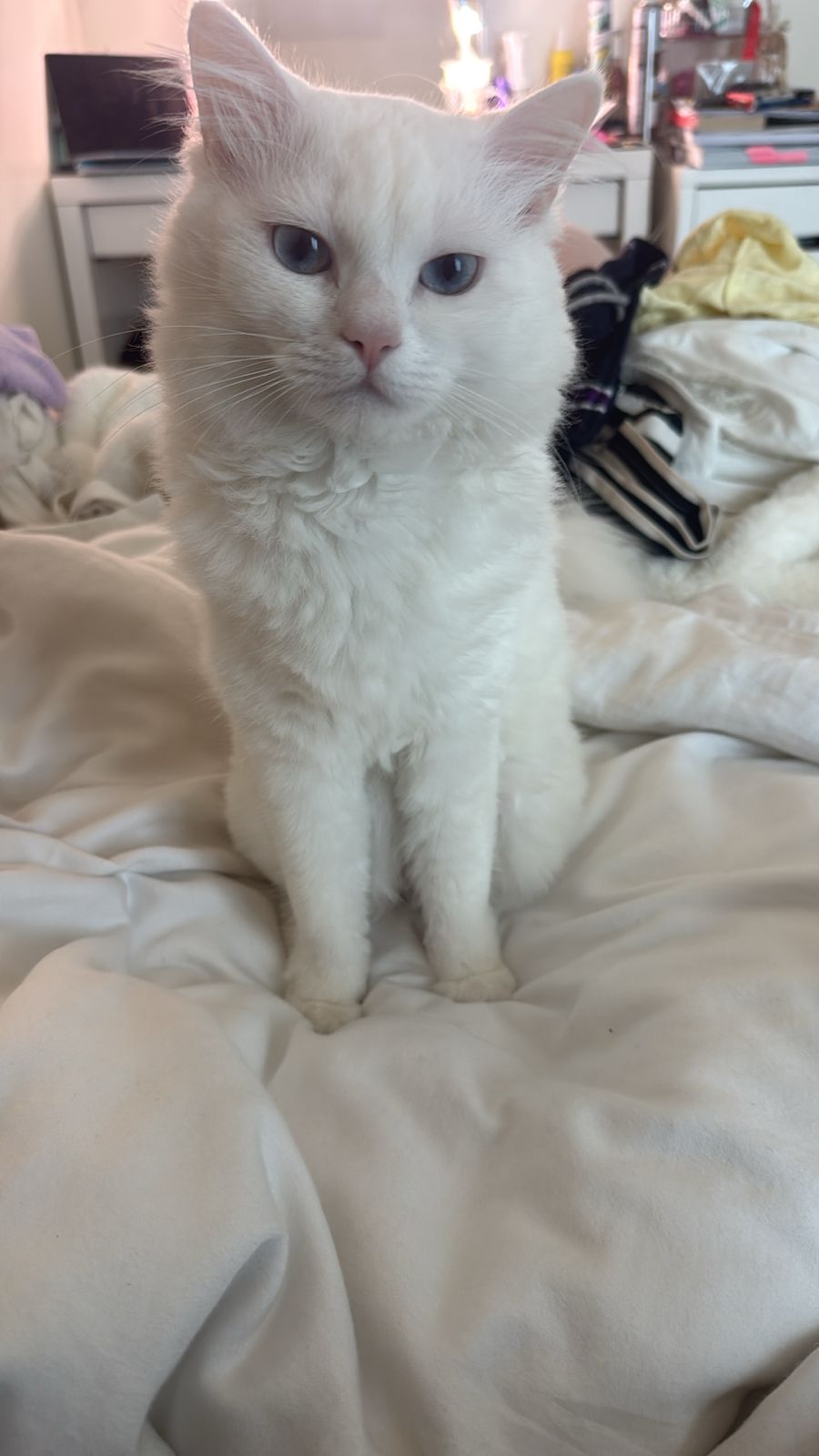
My white, blue-eyed, deaf Turkish Angora. A small ball of instinct, intelligence, and relentless persistence.
She doesn’t hear the fridge door open. She anticipates it. Within seconds, she’s weaving around my feet, looking up, meowing with urgency. If I hesitate, she escalates—front paws on my leg, a gentle climb, a look that is impossible to ignore.
And more often than I care to admit, I give in.
That’s the moment. The one that feels harmless. The one that, over time, quietly builds a problem.
When Love Becomes a Habit
We talk a lot about responsible pet parenting. Nutrition plans. Vet-approved routines. Structured care.
But there’s a more human layer to this conversation that we don’t always address.
We overfeed not because we don’t know better—but because it feels like love.
A treat becomes:
- A reward for attention
- A shortcut to connection
- A response to guilt
- A way to feel needed
And our pets? They learn fast.
BonBoneh has learned that the fridge is not just an appliance. It’s an opportunity. A predictable moment where persistence pays off.
And I’ve unintentionally trained her to believe that.
The Slow Cost of “Just One More”
It builds slowly:
- A few extra treats a day
- A little more weight over time
- Slight changes in energy levels
Until one day, it’s no longer subtle.
Pet obesity is not a cosmetic issue. It’s a health issue—one that affects mobility, organ function, and overall lifespan. And it often starts in moments that feel completely insignificant.
Moments like mine, standing in front of the fridge.
The Realization: This Isn’t About Her
It took me a while to admit this, but BonBoneh isn’t the problem.
I am.
She’s doing exactly what she’s been taught to do:
- Show up
- Ask persistently
- Push until she gets a response
And I’ve rewarded that behavior enough times for it to stick.
This is the uncomfortable truth of pet parenting:
our habits shape their behavior far more than we realize.
Rewriting the Routine
Changing this dynamic hasn’t been about discipline—it’s been about awareness.
Here’s what’s starting to work.
Redefining Attention
Not every interaction needs to end in food.
Sometimes, it’s about picking her up, playing, or simply sitting with her.
The goal is simple: separate affection from feeding.
Creating Structure
Random feeding creates anxious expectations.
A fixed routine—set meal times, measured portions, controlled treats—gives clarity. Over time, it reduces the urgency and the constant asking.
Breaking the Fridge Association

This one is harder than it sounds.

I’ve stopped feeding her directly from the fridge. Meals happen in her bowl, in her space, on her schedule—not mine.
The fridge is slowly losing its meaning.
Managing My Own Behavior
This was the real shift.
If I open the fridge less, I trigger the cycle less.
Pet parenting, it turns out, is often about managing our habits before theirs.
The Emotional Trade-Off
There’s a moment—every time—when she looks at me, waiting.
And saying no doesn’t feel like discipline. It feels like denial.
But that’s where perspective matters.
Because feeding is immediate.
Health is long-term.
And real care isn’t measured in how often we say yes—it’s measured in the quality of the life we’re building for them.
A Small Shift That Matters
I haven’t perfected this.
There are still moments when BonBoneh wins. Moments when I give in, knowing I shouldn’t.
But there’s progress:
- Less reacting
- More intention
- More awareness
And she’s adapting too.
A little less urgency. A little more patience.
Closing the Fridge, Not the Connection
Overfeeding isn’t about ignorance. It’s about emotion.
And managing it doesn’t require perfection—just small, consistent shifts.
If you see yourself in this story, start here:
- One less unnecessary treat today
- One more intentional interaction
- One clearer routine
Because the goal isn’t to feed less love.
It’s to express it better.
And sometimes, the most responsible thing we can do as pet parents…
is simply close the fridge.