
LEGO’s Real Business Model Isn’t Toys. It’s Knowing What Not to Change.
There are brands you grow up with.
And then there are brands that quietly grow with you.
LEGO is one of those.
It’s also, somehow, the only brand that has caused me real physical pain… and still gets a permanent place in my home. Step on one brick in the middle of the night, and you start questioning your entire life. But give it five minutes, and you’re back building again.
That contradiction says a lot about LEGO.
It Started as a Feeling, Not a Product
I spent part of my childhood in Denmark, and like most kids there, LEGO wasn’t something you occasionally played with. It was just part of life.
I still remember walking into LEGOLAND Billund for the first time. You don’t forget that moment. You go from building something small on the floor… to seeing entire worlds built from the same pieces.
It changes how you look at things.
Not because it’s impressive — but because it feels possible.
The Power of Something Simple
LEGO started in 1932 with Ole Kirk Christiansen, a carpenter making wooden toys.
There’s nothing dramatic about that story.
No big breakthrough moment.
Just a focus on making something well.
When LEGO moved to plastic bricks, what made it different wasn’t the material. It was the idea behind it.
Every piece fits with another.
Every build can evolve.
Nothing is ever really finished.
And maybe that’s why it stuck with so many of us.
They Lost Their Way — And Fixed It
What I respect about LEGO is not just what they built.
It’s that they almost lost it.
In the early 2000s, they expanded too much. Too many ideas, too many directions, too much distance from what made them special.
We’ve all seen this before. Companies grow, and somewhere along the way, they forget what made them work in the first place.
LEGO did something most companies struggle to do.
They stopped.
They simplified.
They went back to the brick.
That takes discipline. And a bit of humility.
Growing Without Losing Yourself
Since then, LEGO has grown again — but differently.
Yes, there are theme parks. Yes, there are advanced sets for adults. Yes, there’s technology, robotics, and digital experiences.
But none of that replaces the core.
It all builds on it.
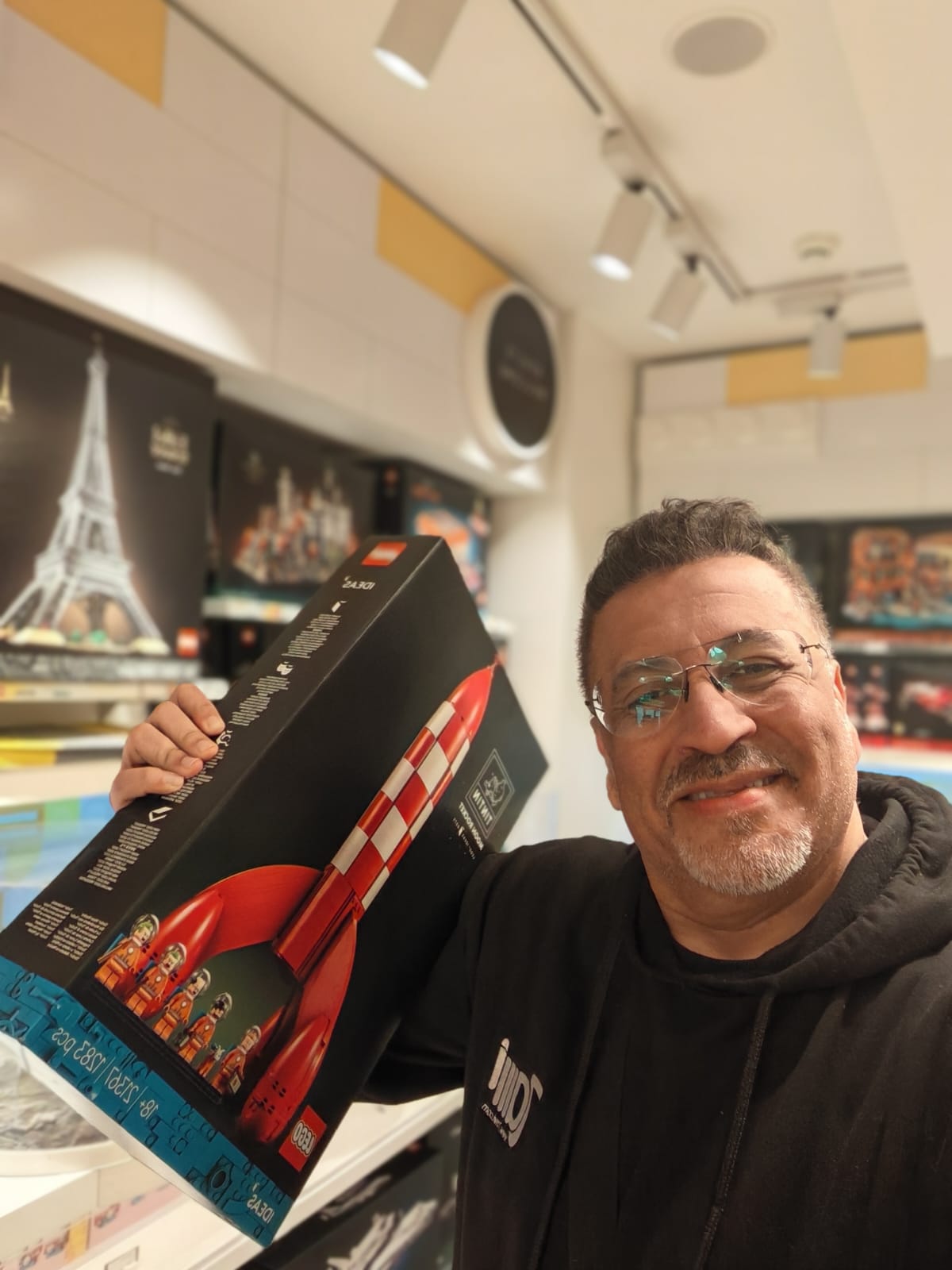
Even their newer collaborations — including sets inspired by Tintin — feel intentional. Not forced. Not trendy.
Tintin carries history. It connects generations. It fits the LEGO world without trying too hard.
That’s not luck.
That’s careful thinking.
What This Really Means for Business
We live in a time where everything is about speed.
Launch faster. Scale faster. Move faster.
But LEGO reminds us of something else.
Sometimes, the smartest move is to slow down.
To focus.
To protect what makes you… you.
Growth is important. But clarity is everything.
The Part We Don’t Talk About Enough
There’s something else LEGO gets right.
It invites you to fail.
You build something, it doesn’t work, you take it apart, and you try again.
No drama. No overthinking.
Just rebuild.
That mindset doesn’t just apply to toys.
It applies to business. To teams. To leadership.
The Real Lesson
LEGO didn’t win because it kept changing.
It won because it knew what not to change.
That’s harder than it sounds.
Because every opportunity looks like growth.
Every idea feels worth pursuing.
But the best companies don’t do everything.
They choose carefully.
And Maybe That’s Why It Still Works
Today, you’ll still find LEGO in homes everywhere.
Not because it’s new.
But because it’s familiar, reliable, and still somehow inspiring.
For me, it goes back to Denmark. To that first visit. To realizing that something small can turn into something much bigger.
And yes… to occasionally stepping on a brick and regretting every decision that led to that exact moment.
But that’s part of it.
Because the brands we remember — the ones that actually last — aren’t always perfect.
They’re just real.